20 Vegetables That Grow in the Shade
Filed under:Gardening essentials · Methods & tips
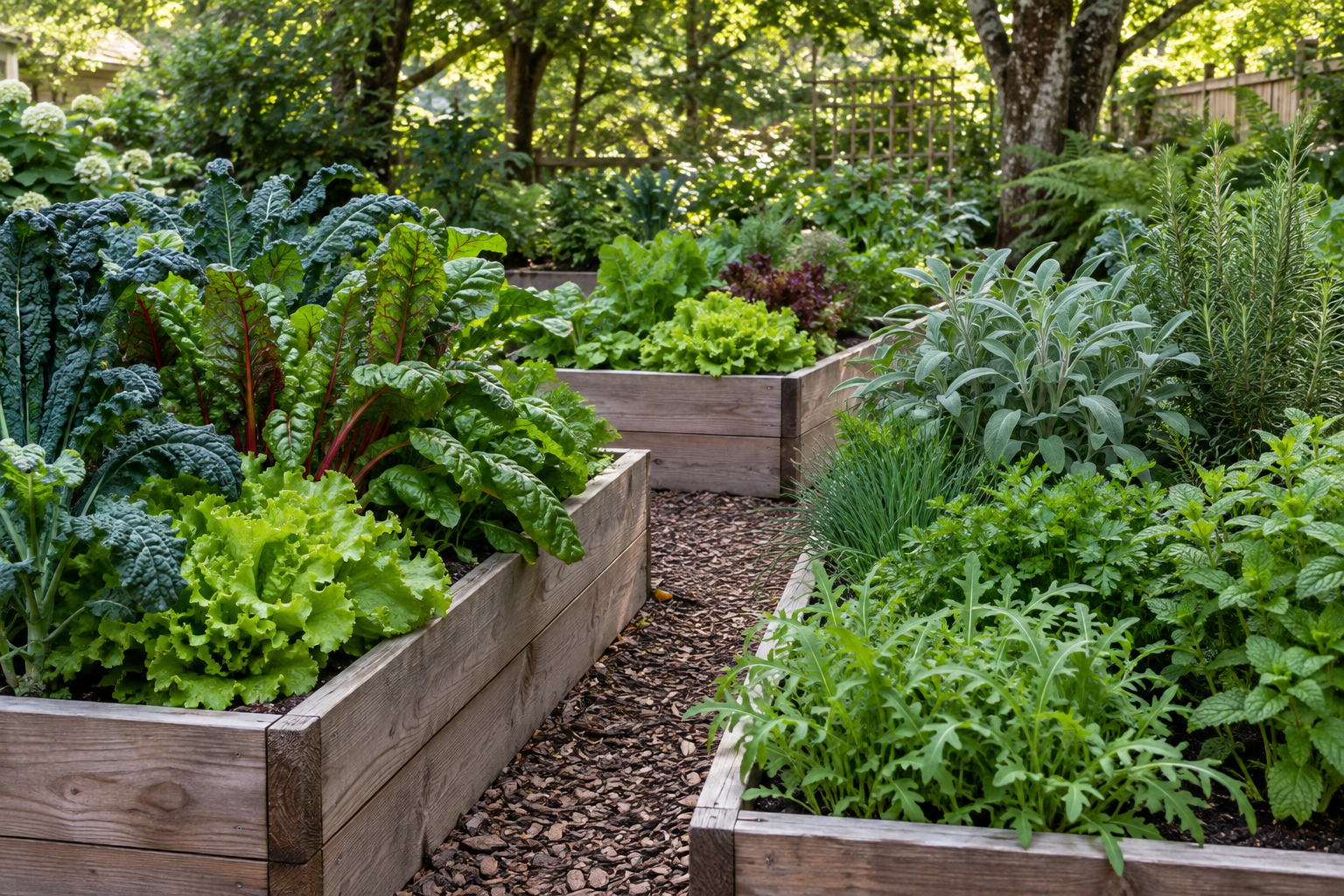
A garden does not need uninterrupted sunshine to feel abundant. If your space receives four to six bright hours, focus on leaves and herbs—the crops that turn limited light into useful harvests most efficiently.
At a glance
- Leafy greens and most culinary herbs can crop well with about four to six hours of direct sun.
- Fruiting crops such as tomatoes, peppers, and cucumbers still perform best with eight or more hours.
- Morning light with afternoon shade can keep cool-season leaves tender for longer in warm weather.
Watch your space for a full day before planting. Count direct sun rather than general brightness, then place the most shade-tolerant crops in the dimmest bed and reserve the brightest edge for plants that need extra energy.
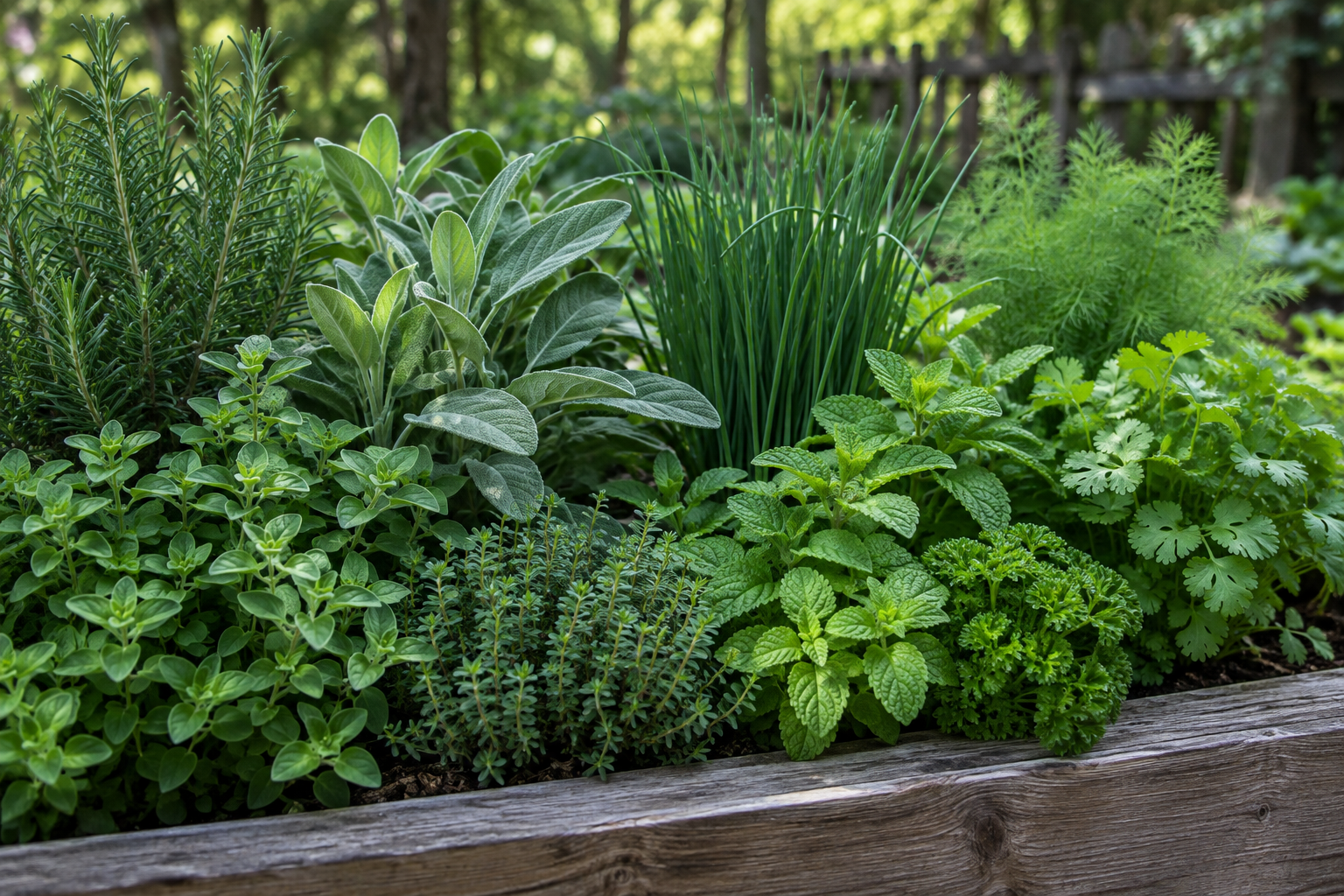
Rosemary Handles Light Shade
Rosemary appreciates the brightest position in a shaded garden. Give it quick-draining soil, let the surface dry between waterings, and turn containers every week so growth stays balanced.
Oregano Produces with Four Hours of Sun
Oregano may spread more slowly without full sun, but its leaves remain aromatic. Harvest the soft tips often and keep nearby plants from leaning over the low mound.
Sage Thrives in Bright, Open Shade
Sage prefers airflow and lean soil. In partial shade, space plants generously and water at soil level so the textured leaves dry quickly after rain.
Thyme Fits the Bright Edge of the Bed
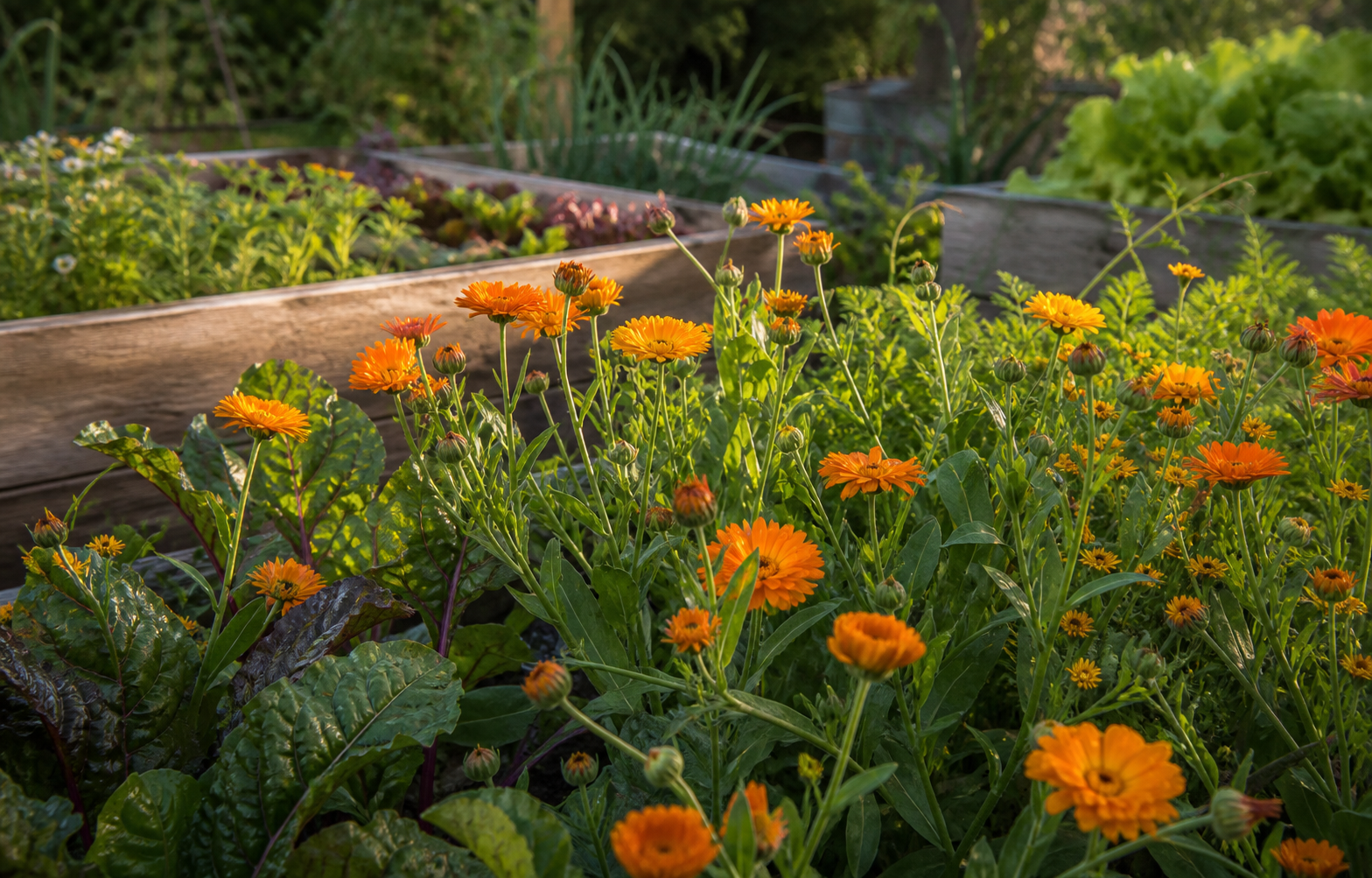
Tuck thyme along a raised-bed rim where it can receive angled morning light. Excellent drainage matters more than rich soil, especially where shade keeps the ground moist.
Chives, Mint, Lemon Balm, Cilantro, Parsley, and Dill
These soft-leaved herbs tolerate reduced light especially well. Keep mint and lemon balm in containers, and sow cilantro and dill in small batches so fresh plants replace those that flower.
Kale Keeps Growing with Less Light
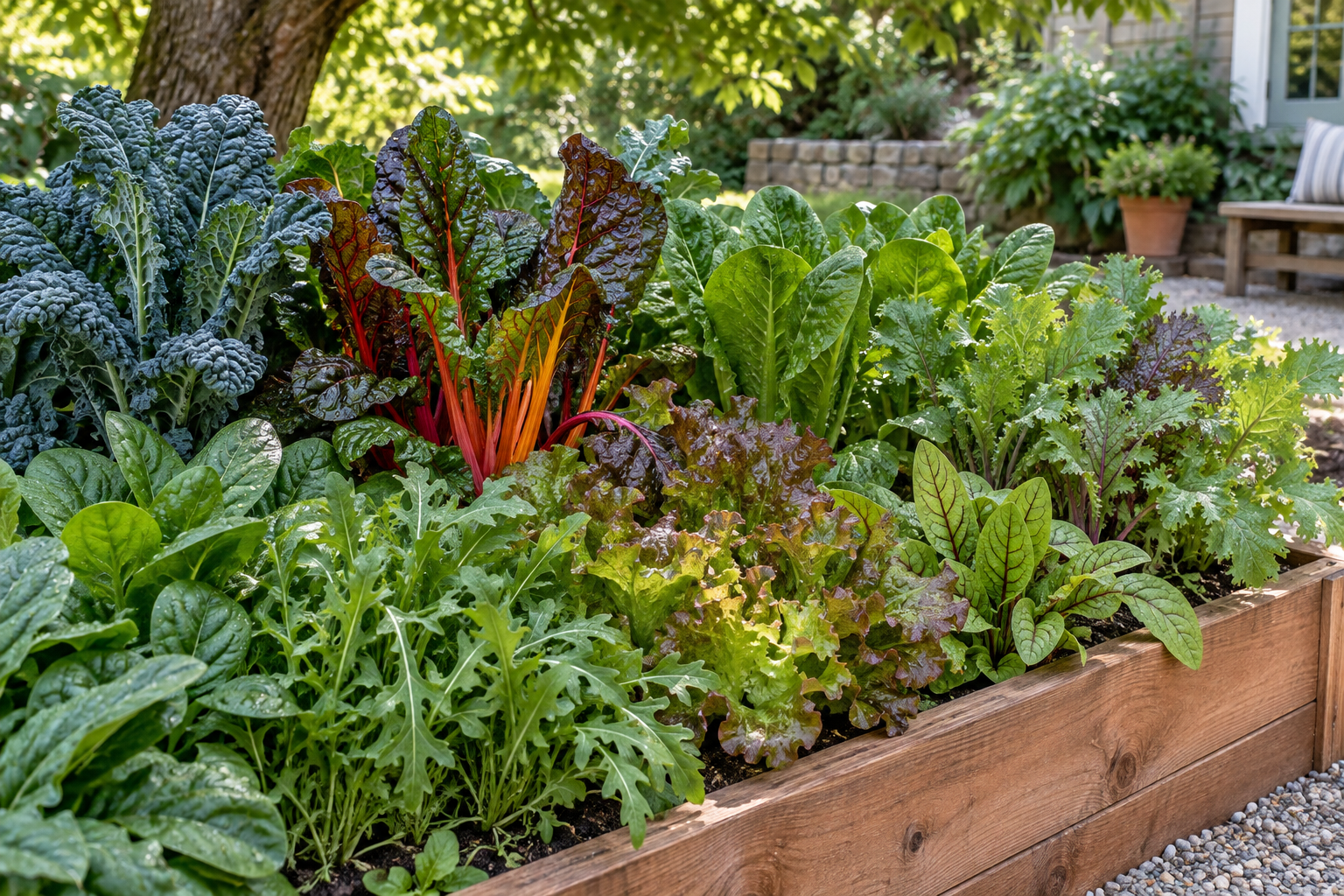
Kale is one of the most dependable shade crops. Pick the oldest outer leaves first and leave the central growing point intact for a long sequence of smaller harvests.
Swiss Chard Brightens a Shady Bed
Chard produces colorful stems even when the leaves receive only part-day sun. Give each plant enough room for airflow and harvest outside leaves while they are tender.
Asian Greens, Mustards, and Collards
Bok choy, mustard greens, and collards all reward regular picking. Their leaves may mature more slowly in shade, but cooler conditions can improve texture and reduce heat stress.
Arugula Needs Less Sun Than You Think
Arugula germinates quickly and fits between slower plants. Partial shade delays bolting in warm spells, giving you more time to harvest its peppery young leaves.
Lettuce, Spinach, Romaine, and Sorrel
These leaves are ideal for morning sun and afternoon shade. Keep moisture steady, sow little and often, and harvest baby leaves early when space or light is limited.
Leaves Need Less Energy Than Fruits
A plant can build stems and leaves before it stores enough energy to flower and ripen fruit. That is why a dimmer garden favors crops harvested for foliage rather than tomatoes or peppers.
Read the Shade Before You Plant
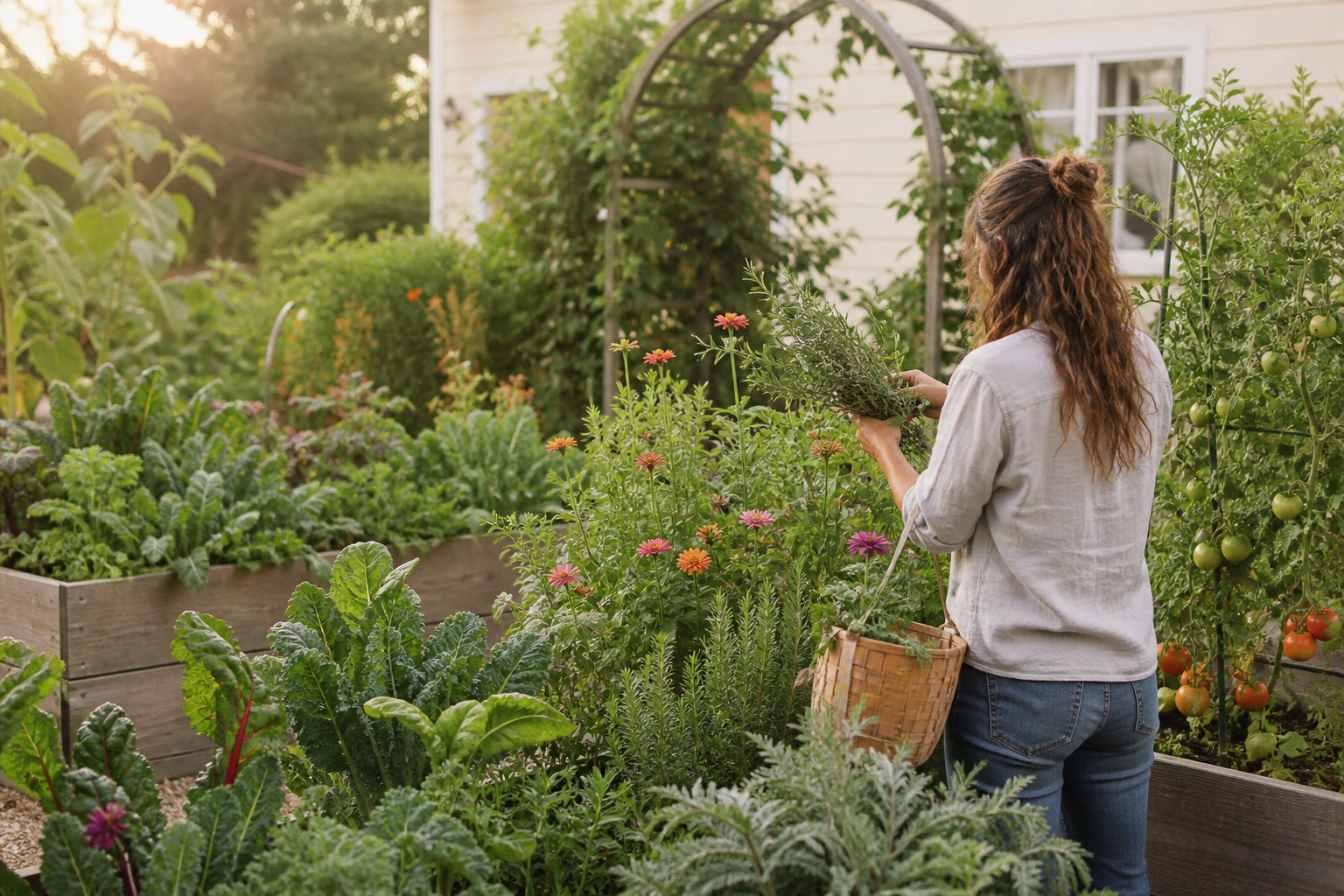
Map where direct sun falls at several points during the day. Tree shade changes through the season, so repeat the observation in spring and midsummer and move containers when needed.
Do Not Let Shade Stop You from Starting
Begin with one bed or a collection of containers. Plant densely enough to cover the soil, harvest the outside leaves often, and notice which corner gives each crop the best balance of coolness and light.
Sources
Plant recommendations were cross-checked against university extension guidance for vegetables suited to partial shade.